News from the Cruise: S.Atlantic Cruise 1 Science Operations Begin
The SUBSEA team began operations at the first sampling station on March 5 after mapping near-surface phosphate concentrations across the western South Atlantic. The station was selected in waters with very low phosphate concentrations, providing an opportunity to study nutrient limitation and biogeochemical cycling in the subtropical gyre.
At Station 1, the team deployed a sediment trap array at 75 meters and 150 meters to measure the export of carbon, nitrogen, phosphorus, silica, and trace metals from the upper ocean and across the base of the photic zone. They also conducted a series of CTD casts to collect high-resolution water samples for measurements of nutrients, pigments, microbial community composition, particulate carbon and nitrogen, metabolites, oxygen production, respiration, and net ecosystem production.
The team also successfully launched a Seaglider, conducted day and night net tows, and collected trace-metal-clean seawater for nutrient limitation experiments. Together, these measurements will help characterize how biological and chemical processes vary across the upper ocean and twilight zone.
Near real-time Seaglider data from the expedition can be viewed here:
SUBSEA Part 1 Seaglider Tracking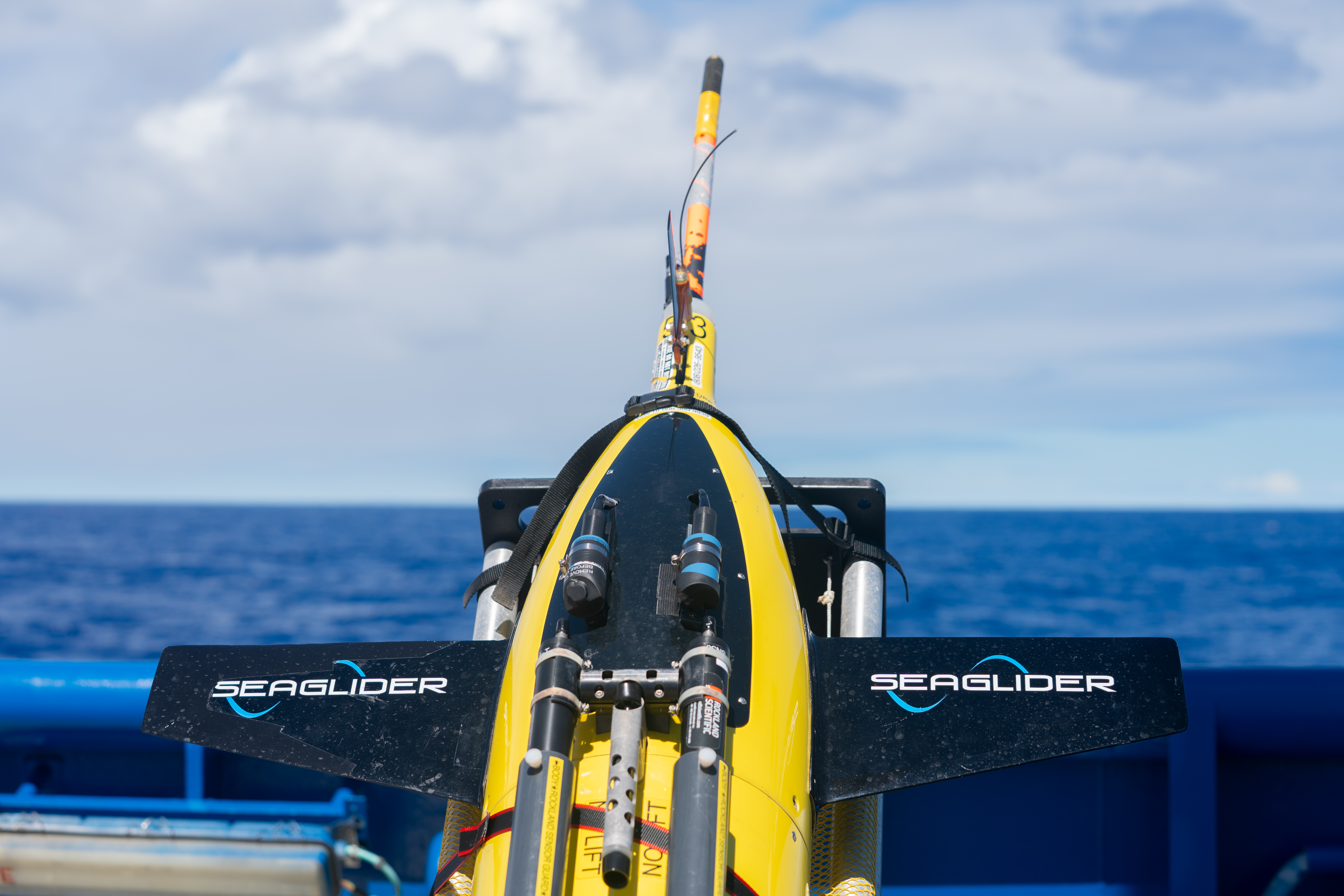
Over the next phase of the cruise, the team will continue sampling in low-phosphate waters before moving north toward waters with elevated chlorophyll concentrations. Comparing these different oceanographic conditions will help researchers investigate how the subsurface export loop varies across the South Atlantic Subtropical Gyre.
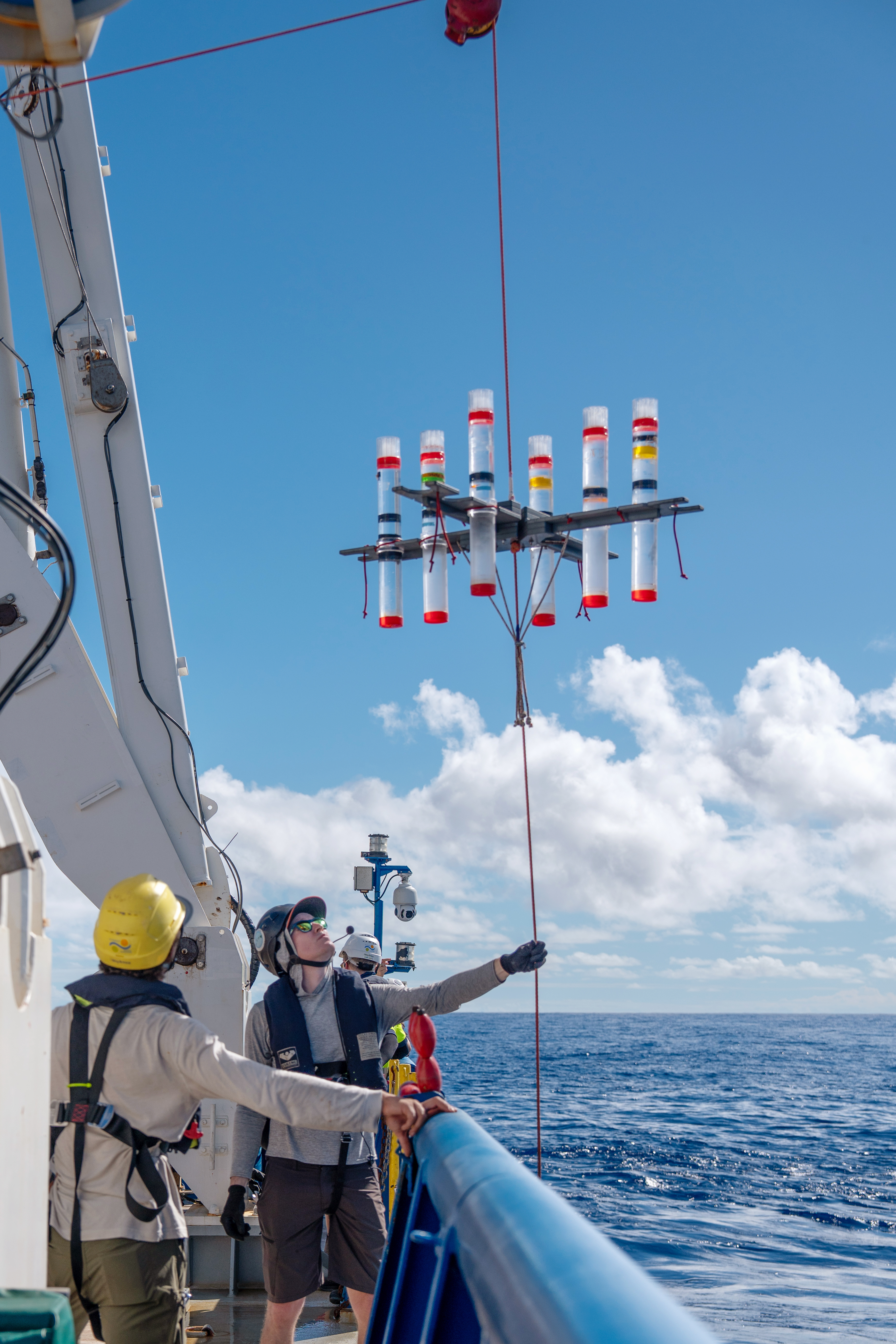
The team deploys the first sediment trap of the cruise. Image Credit: Schmidt Ocean Institute.
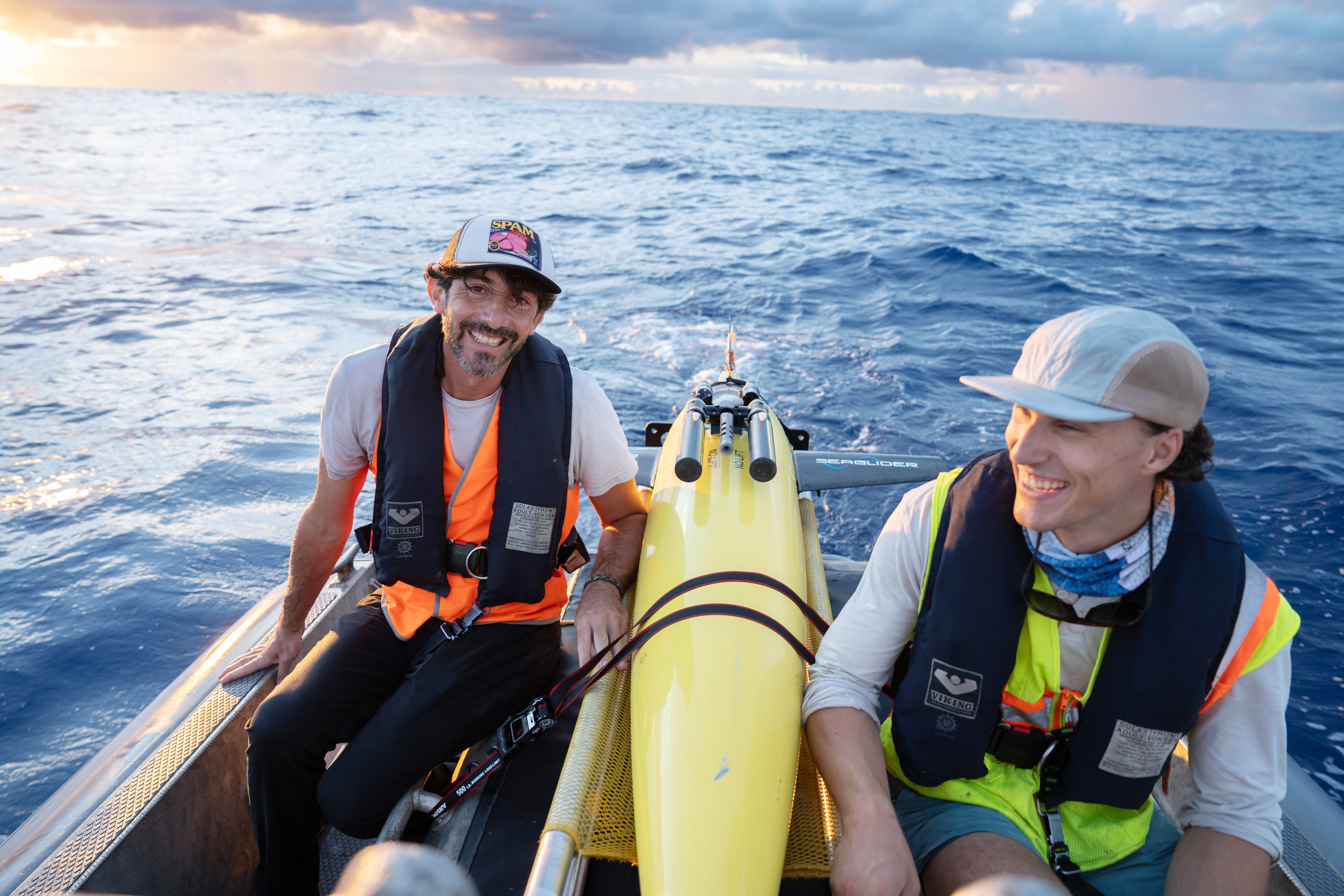
The team deploys the Seaglider from a small boat. Image Credit: Schmidt Ocean Institute.
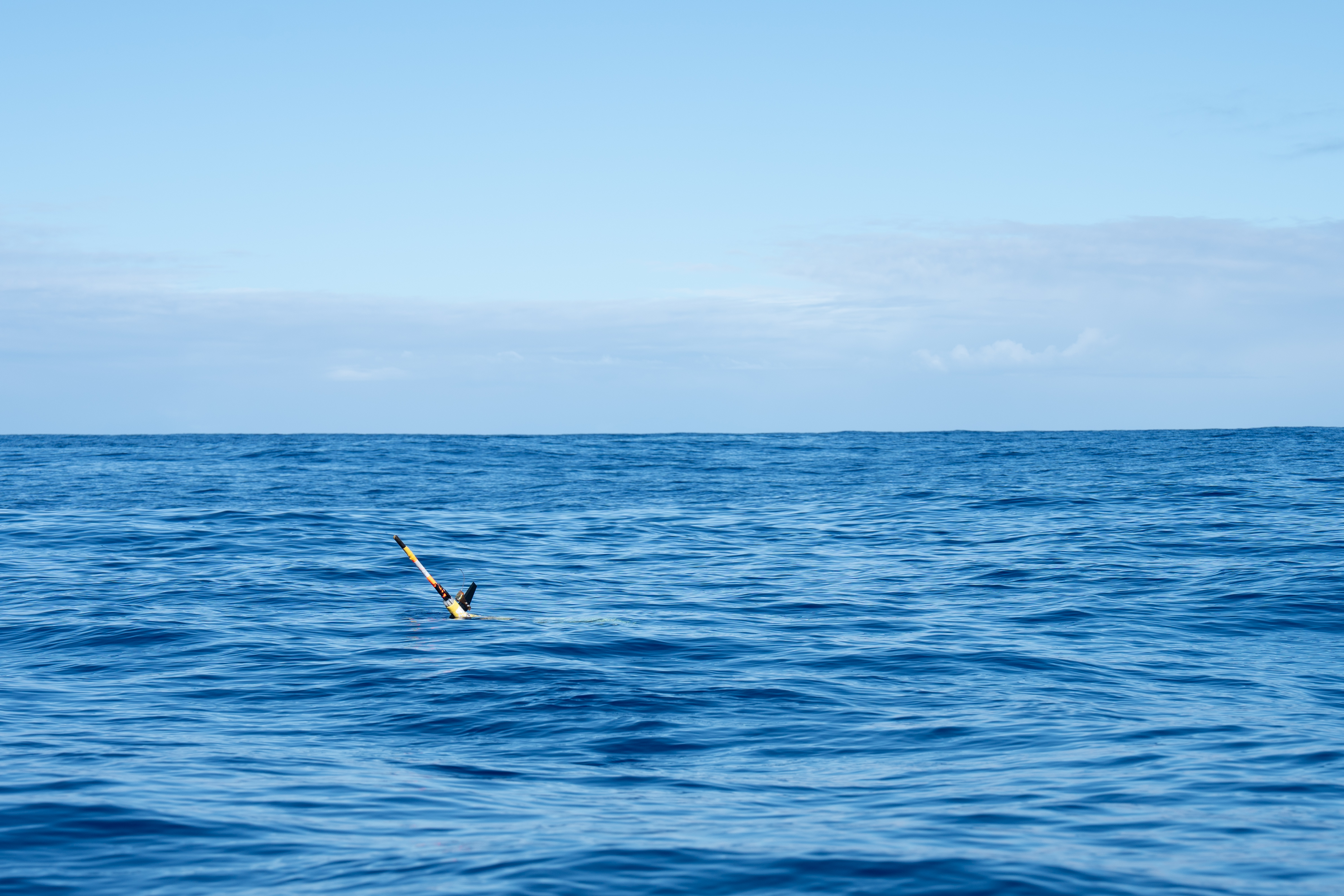
The Seaglider in the water. Image Credit: Schmidt Ocean Institute.
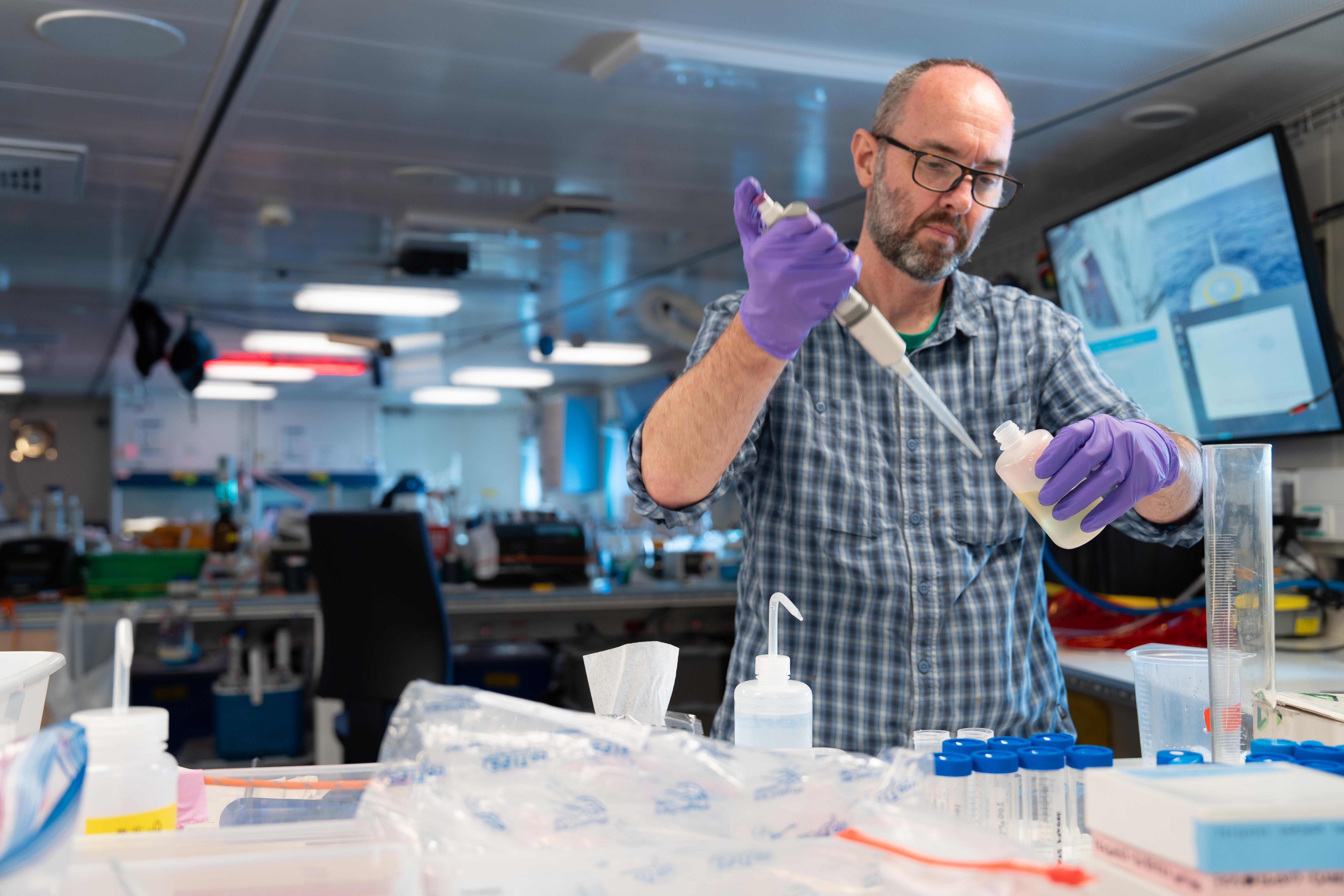
Chief Scientist Dr. Matt Church measures near-surface phosphate concentrations. Image Credit: Schmidt Ocean Institute.
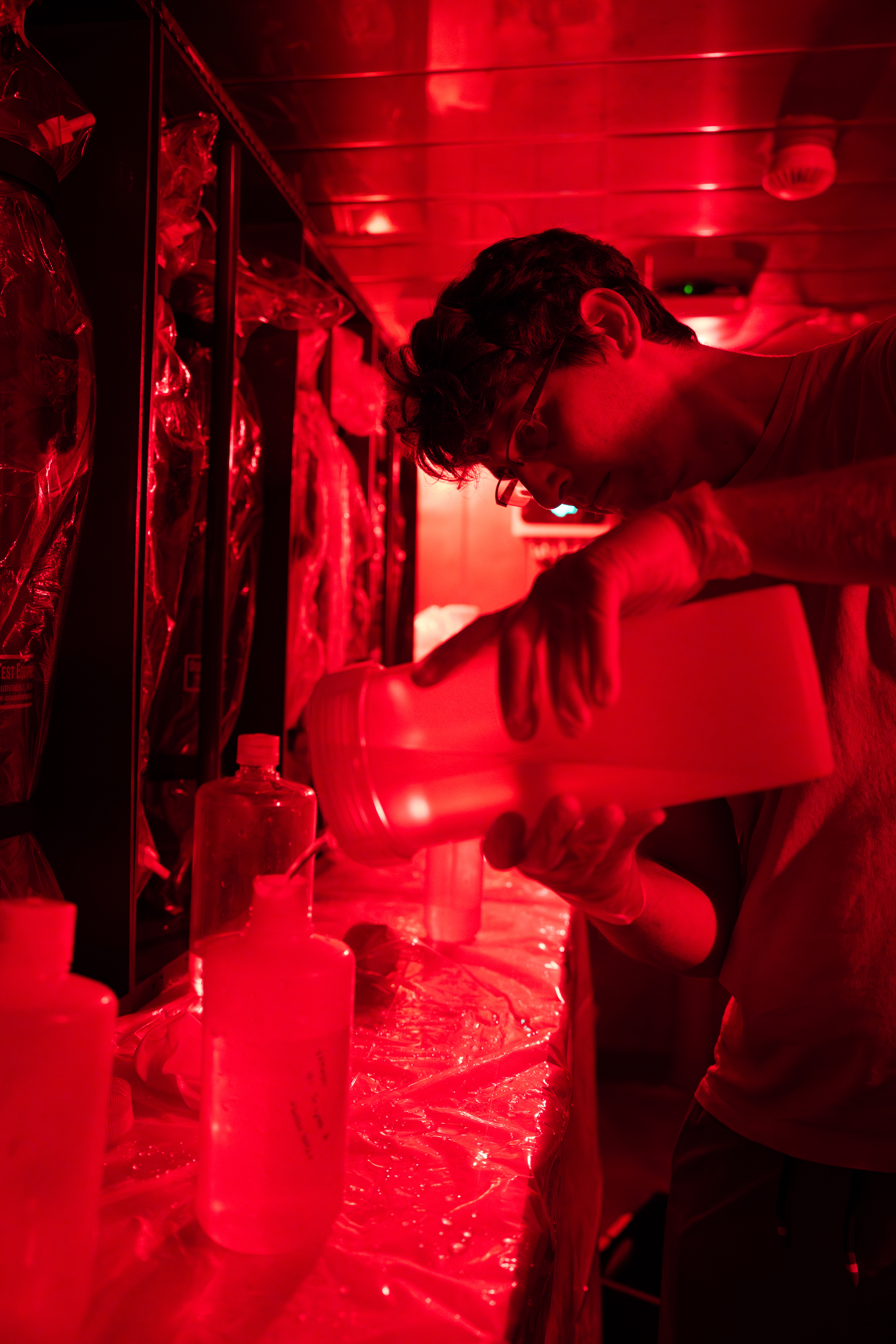
Co-PI Dr. Nicholas Hawco filters water for trace metals in the wet lab. Image Credit: Schmidt Ocean Institute.
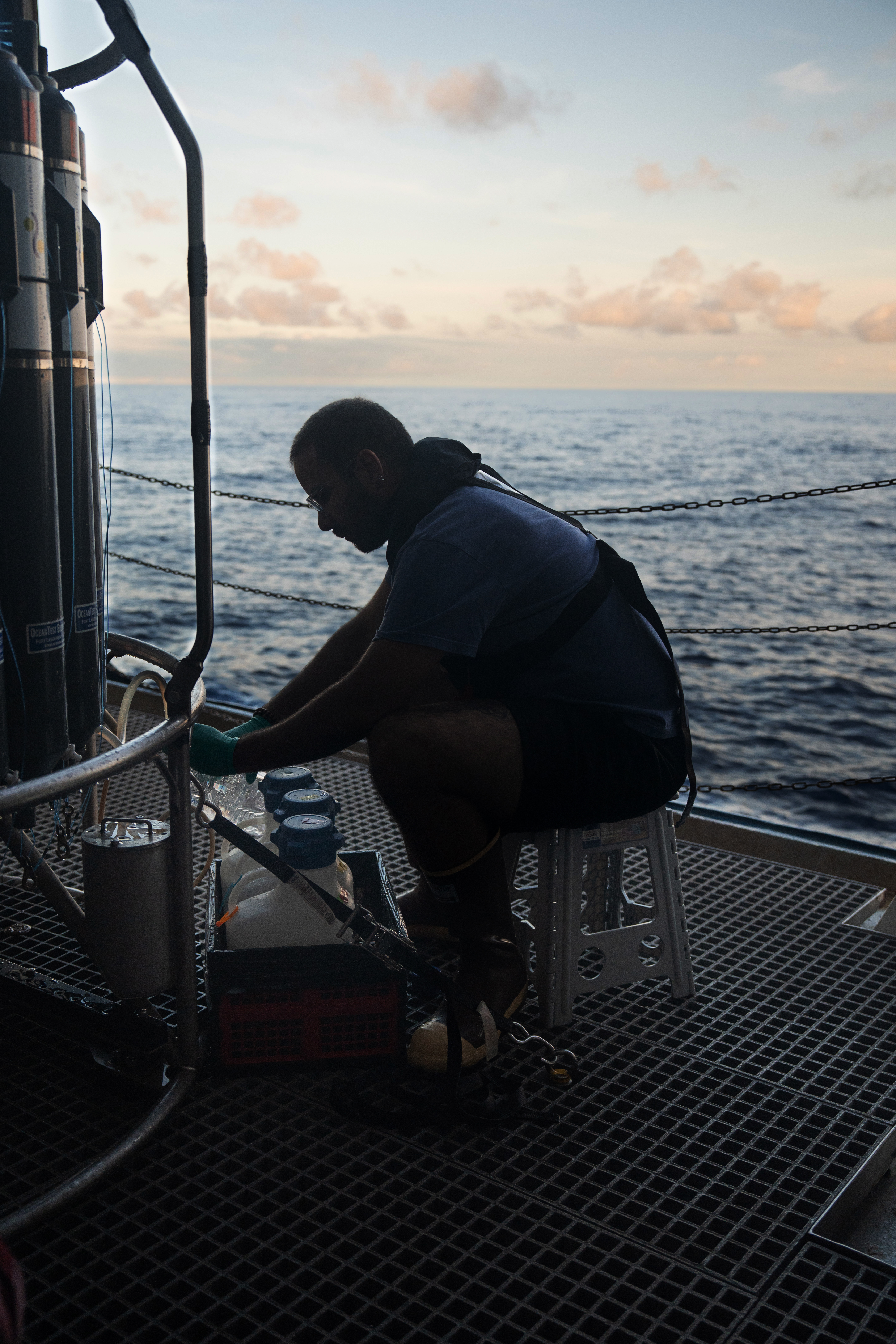
The team samples from the CTD. Image Credit: Schmidt Ocean Institute.
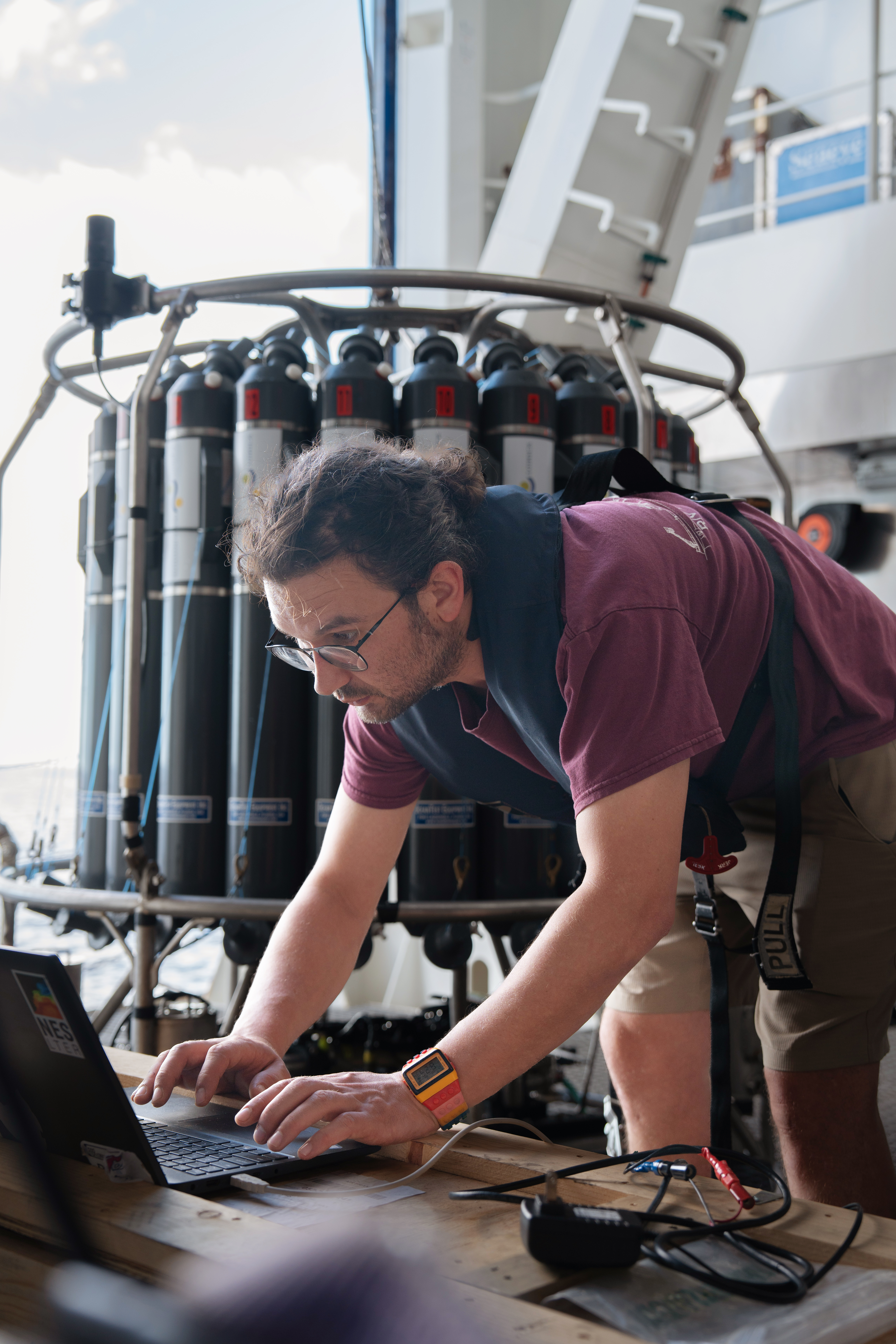
The team samples from the CTD. Image Credit: Schmidt Ocean Institute.
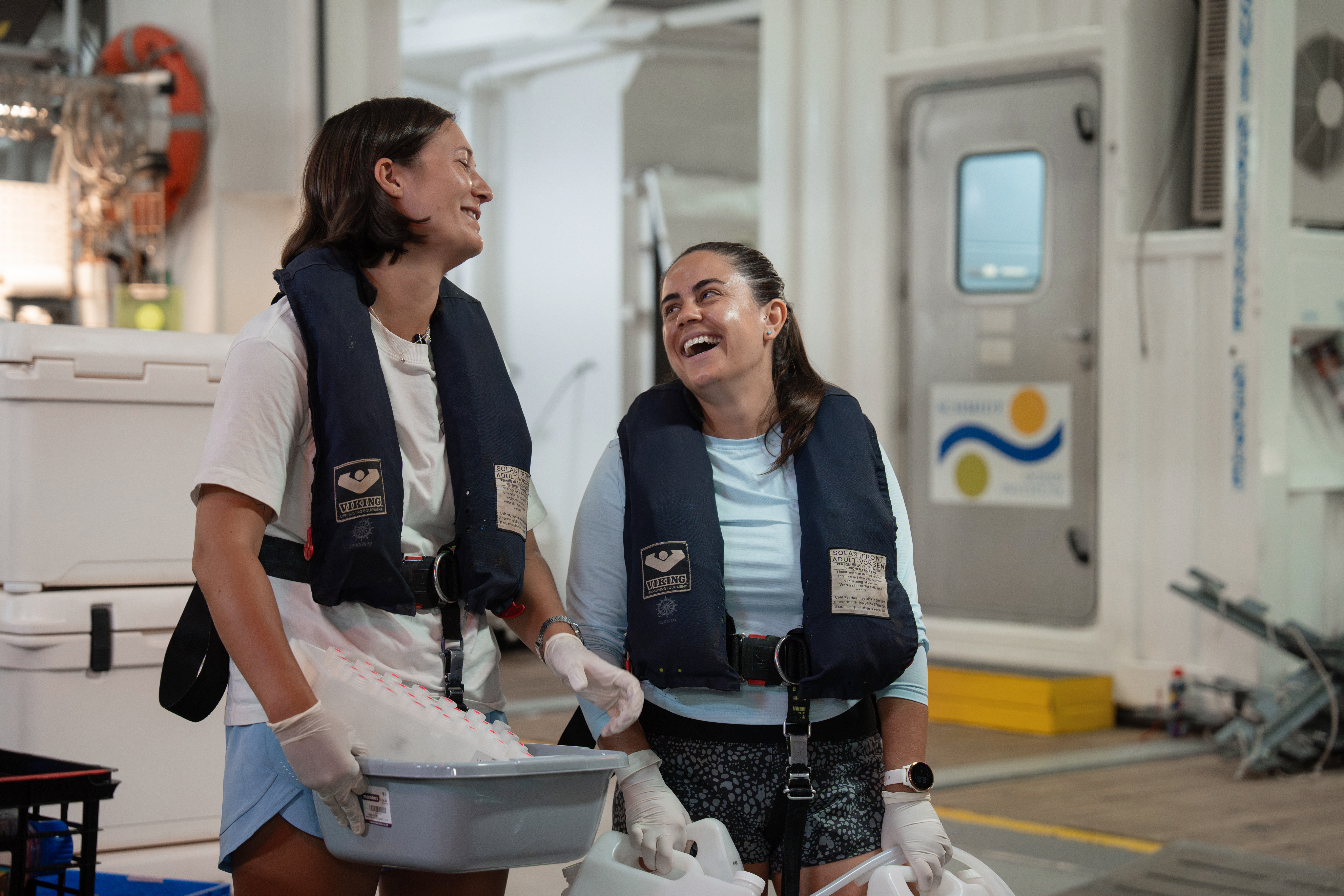
The team samples from the CTD. Image Credit: Schmidt Ocean Institute.