News from the Cruise: S.Atlantic Cruise 1 Final Long Station
The SUBSEA expedition continues across the subtropical South Atlantic, with the team recently completing operations at Station 7, the second of the expedition’s three 96-hour stations. Station 7 was selected based on satellite observations indicating elevated chlorophyll concentrations in the near-surface ocean that had persisted for several months. Upon arrival, the team encountered what appeared to be a decaying diatom bloom, including large aggregates of the diatom Rhizoselenia. The chlorophyll maximum occurred at relatively shallow depths, ranging from approximately 60–85 meters. Filtering seawater samples proved slow due to the elevated biomass in the upper ocean, and visual inspection of sediment trap material from shallower depths suggested enhanced particulate export from the surface ocean.
Science operations at Station 7 included the full suite of autonomous and shipboard measurements conducted throughout the expedition. The team conducted a wide range of experiments examining nutrient limitation of phytoplankton growth, nitrogen uptake and remineralization, and microbial decomposition of zooplankton fecal pellets. These collaborative experiments are helping the team better understand the biological and chemical processes controlling carbon and nutrient cycling in the subtropical gyre.
After completing operations at Station 7 on March 25, the expedition began transiting northward toward Station 10, the final 96-hour station occupation of the cruise. The team has now arrived at Station 10, located in a region characterized by persistently low chlorophyll concentrations based on satellite ocean color observations. Initial measurements indicate extremely clear blue waters, with the chlorophyll maximum occurring much deeper than at previous stations, reaching depths near 150–170 meters.
Operations at Station 10 are already underway. These final long-duration stations remain intensive but highly productive, allowing the team to compare ecosystem structure and nutrient cycling across dramatically different regions of the South Atlantic Subtropical Gyre.
The SUBSEA team continues to work with remarkable energy and collaboration as the expedition enters its final major sampling effort in the South Atlantic.
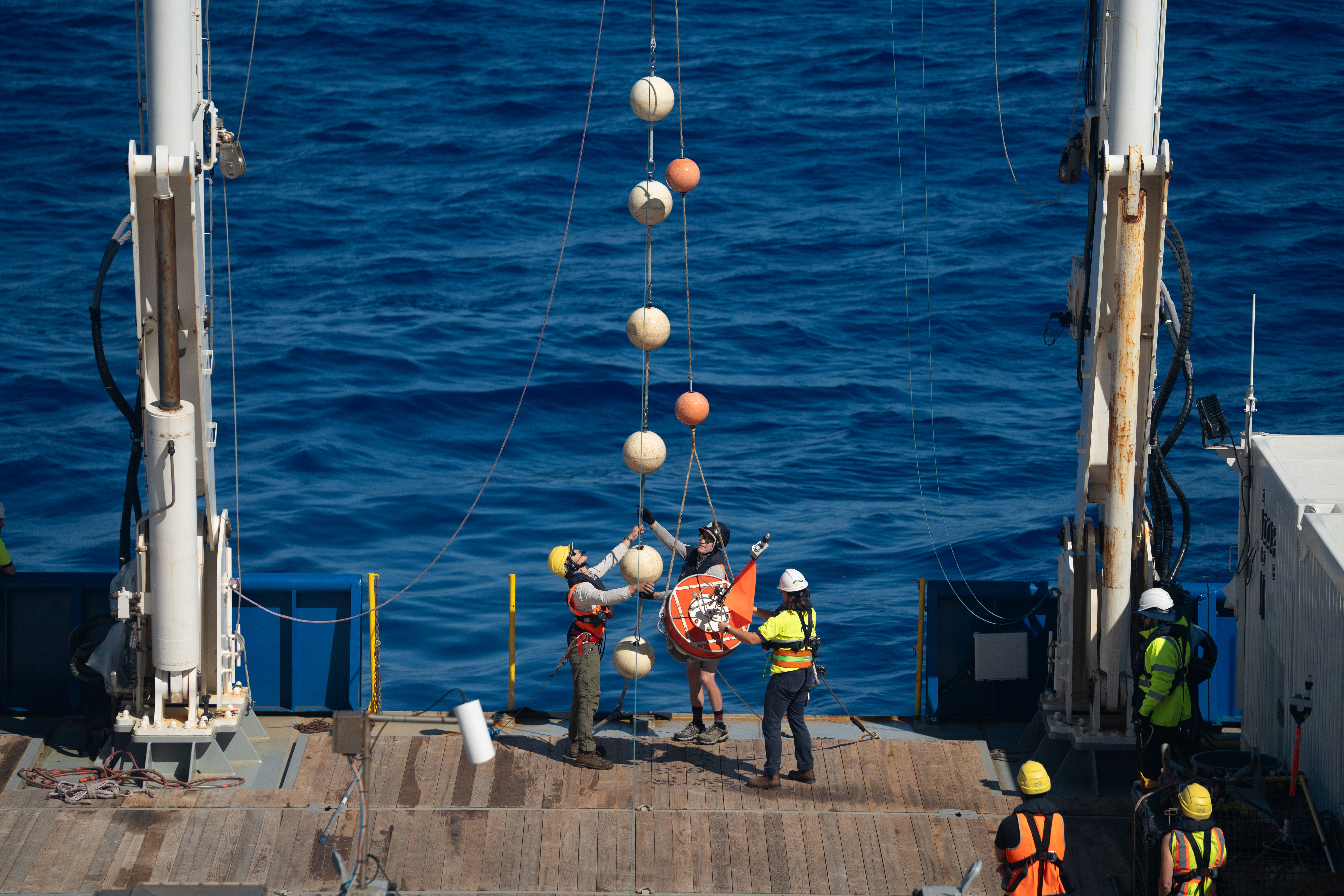
The team deploys the productivity array. Image Credit: Schmidt Ocean Institute.
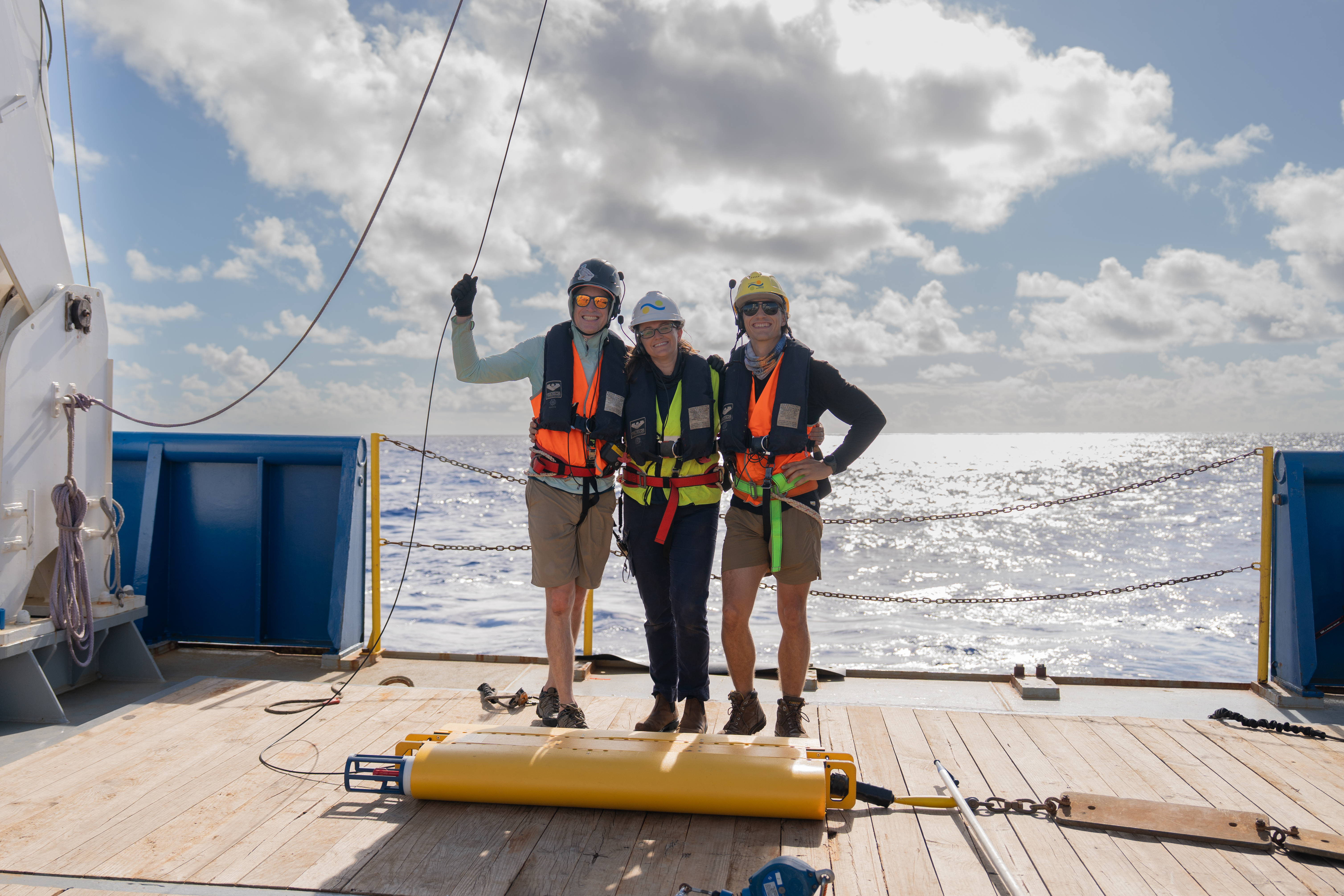
Tully Rohrer, Hunter Adams, and Julianna Diehl (Lead Technician aboard Falkor (too)) stand on the aft deck with the Wirewalker before deployment. Image Credit: Schmidt Ocean Institute.
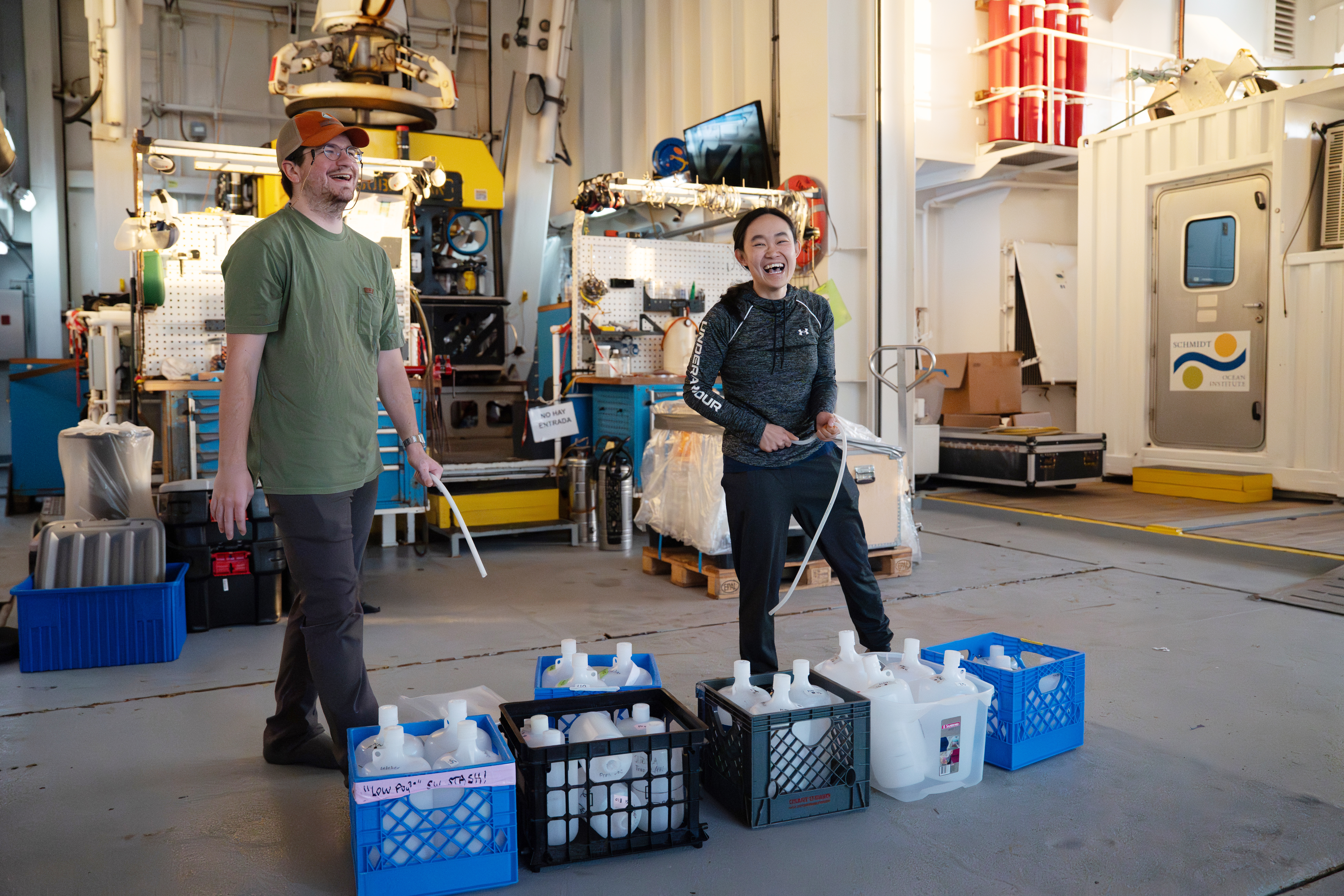
The team continues to sample from the CTD. Image Credit: Schmidt Ocean Institute.
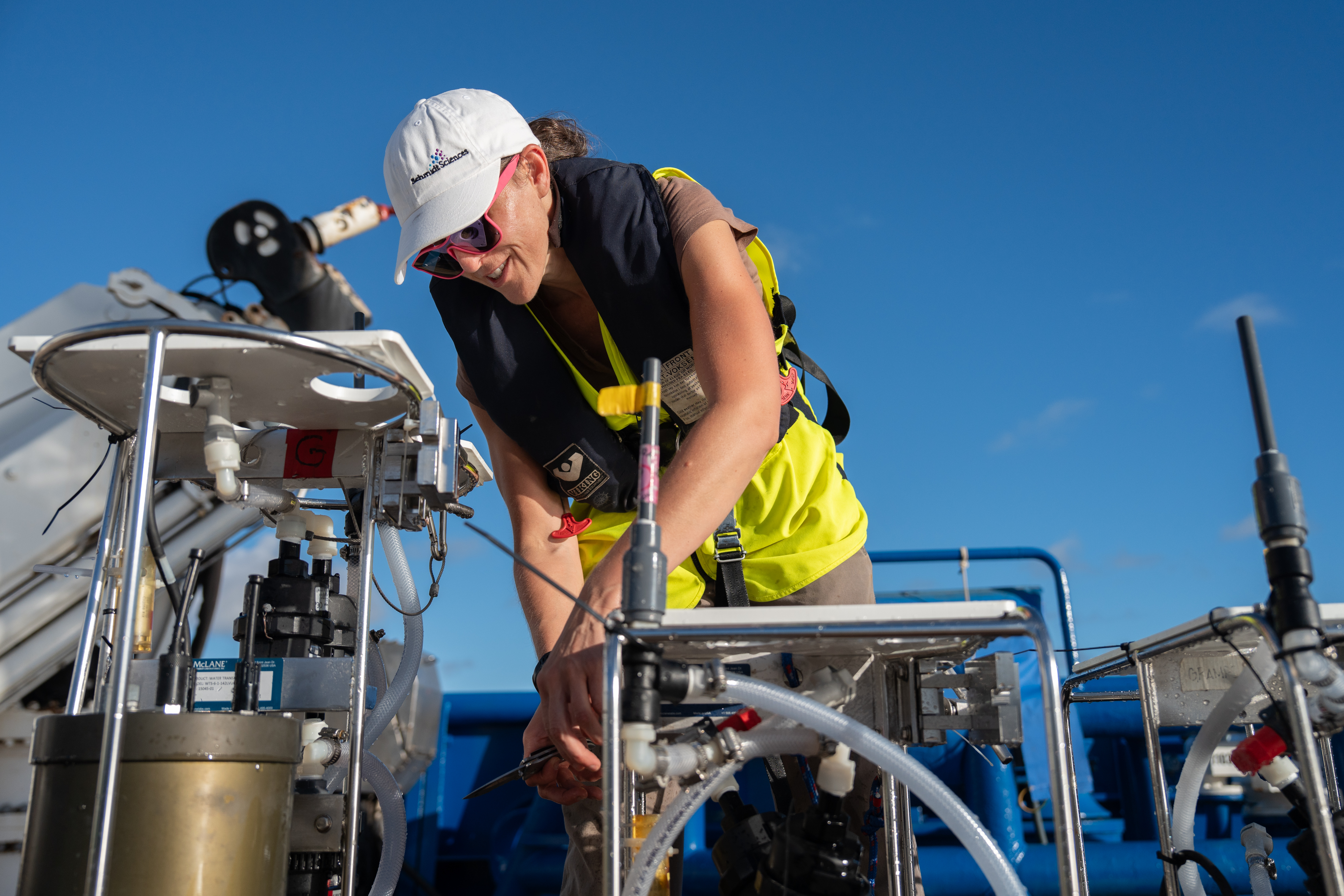
Co-PI Dr. Hilary Close prepares the McLane pumps for deployment. Image Credit: Schmidt Ocean Institute.
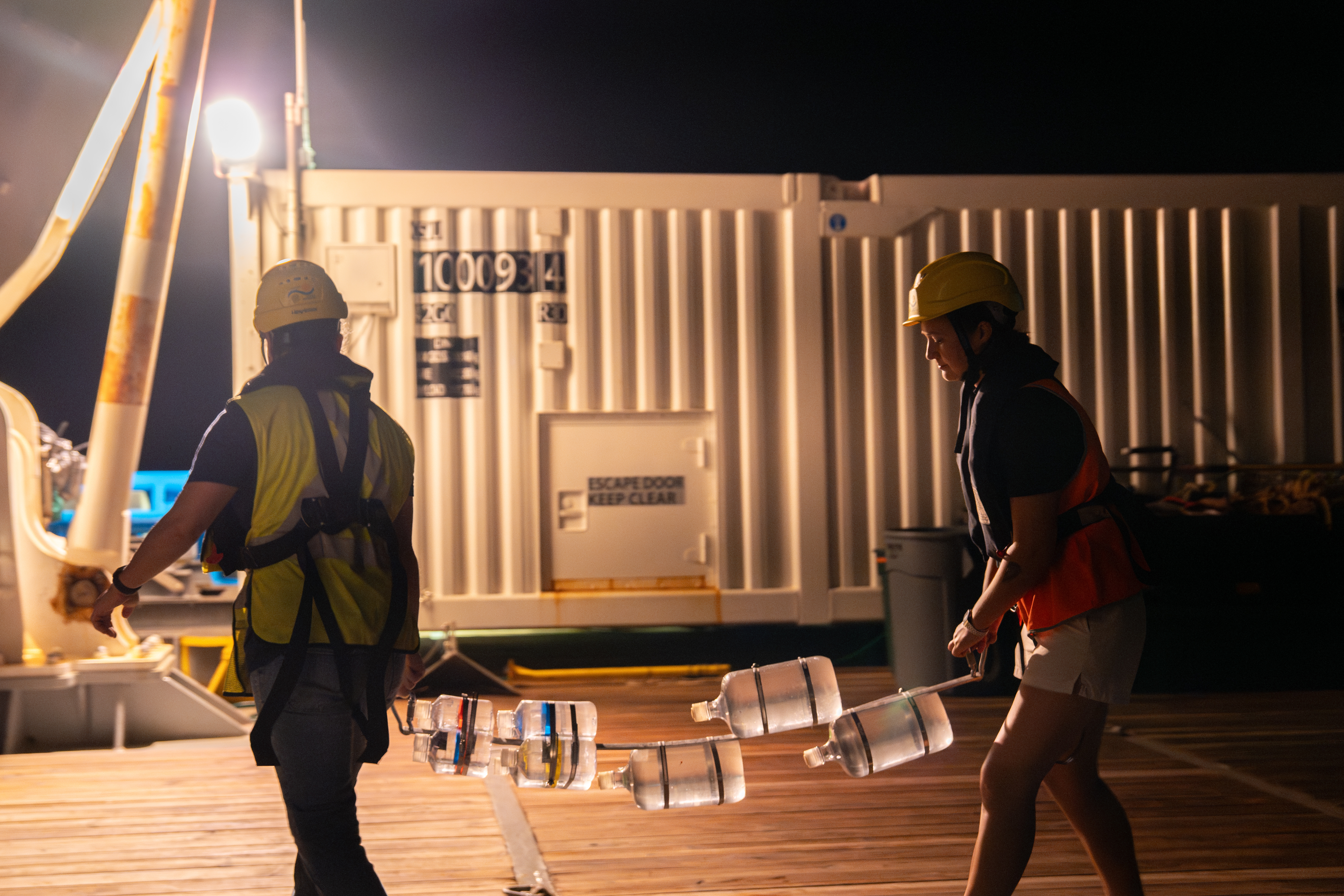
The team carries bottles from the productivity array into the lab for processing. Image Credit: Schmidt Ocean Institute.
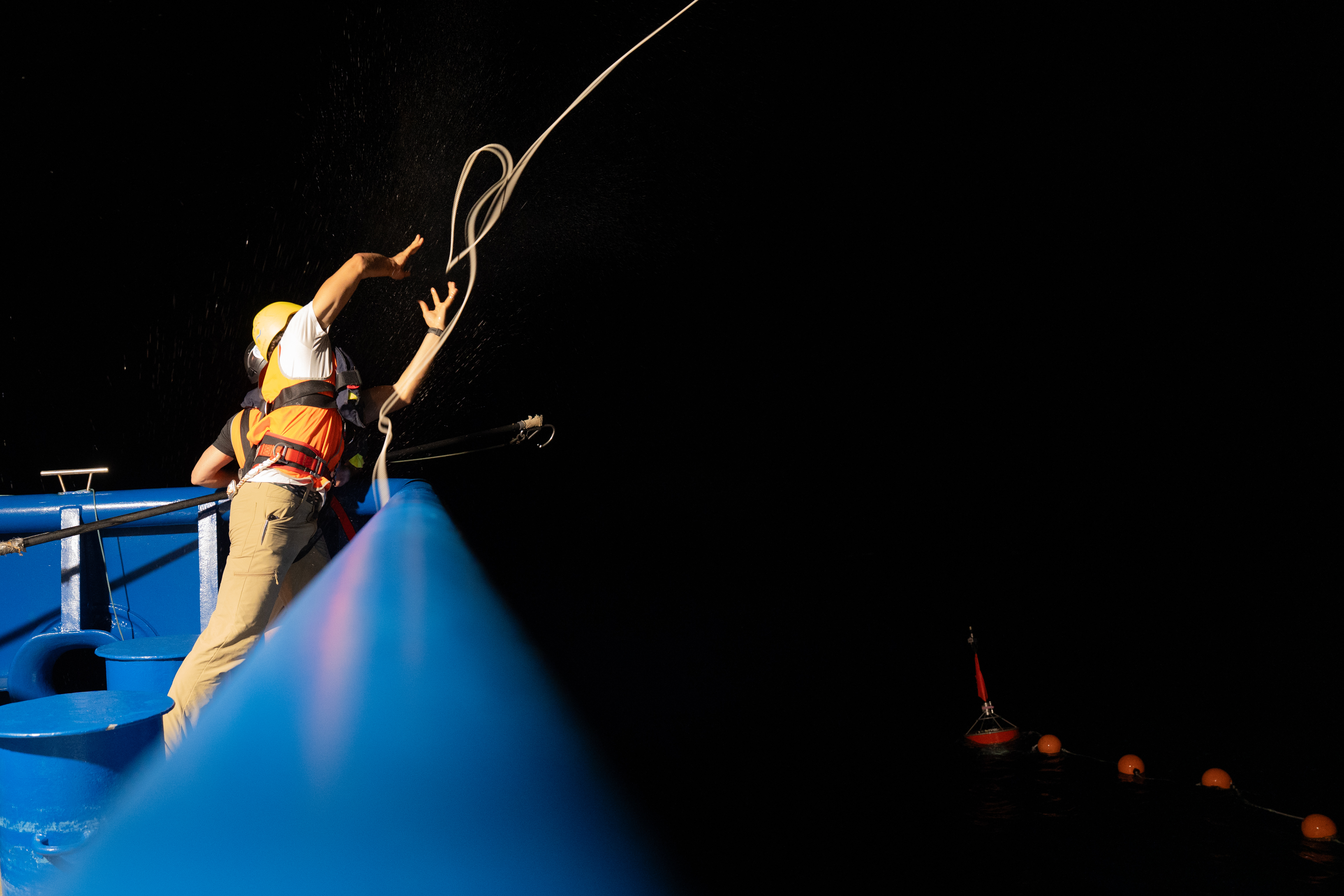
Hunter Adams throws a grabbing hook to recover the productivity array. Image Credit: Schmidt Ocean Institute.
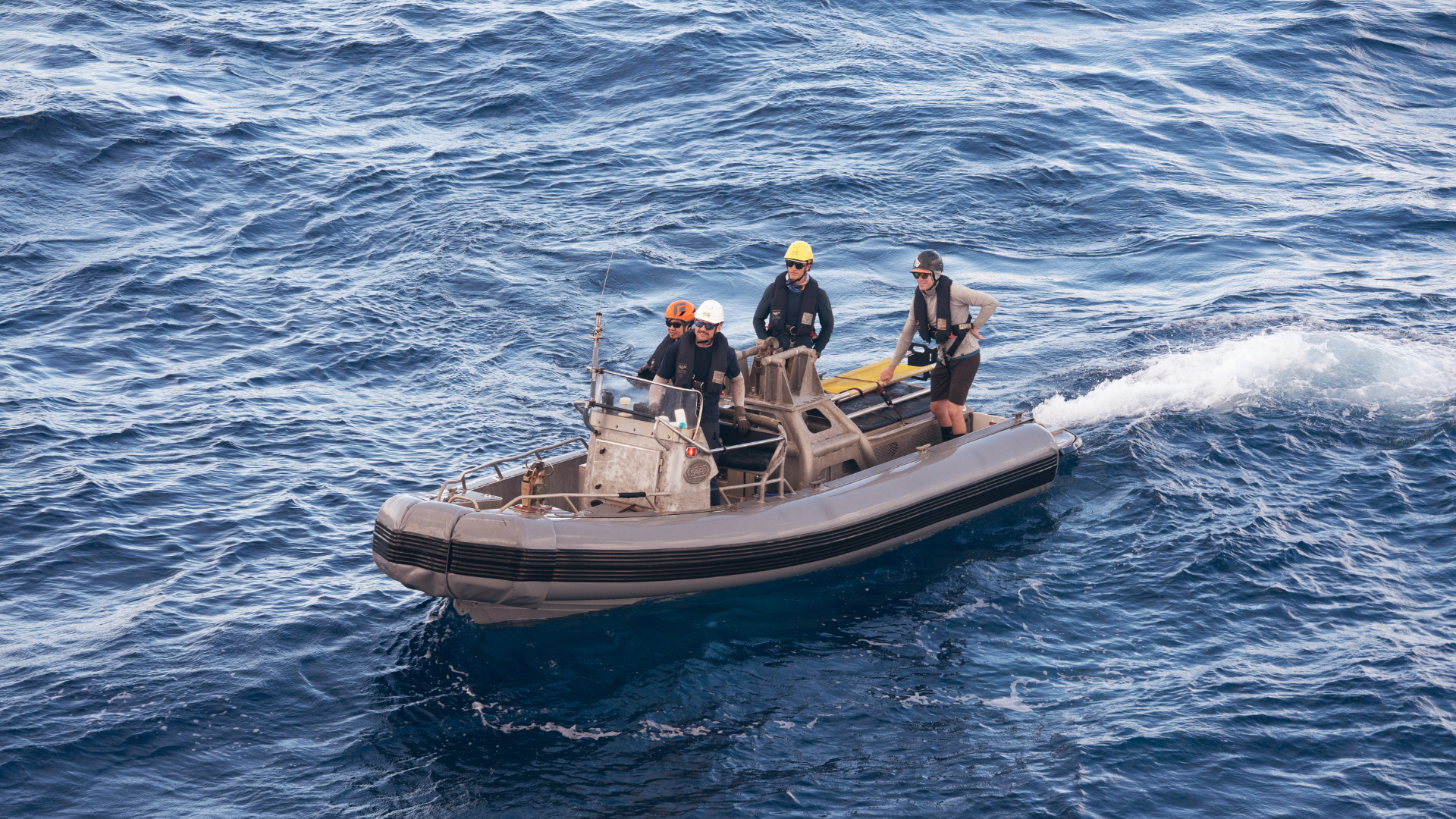
Image Credit: Schmidt Ocean Institute.
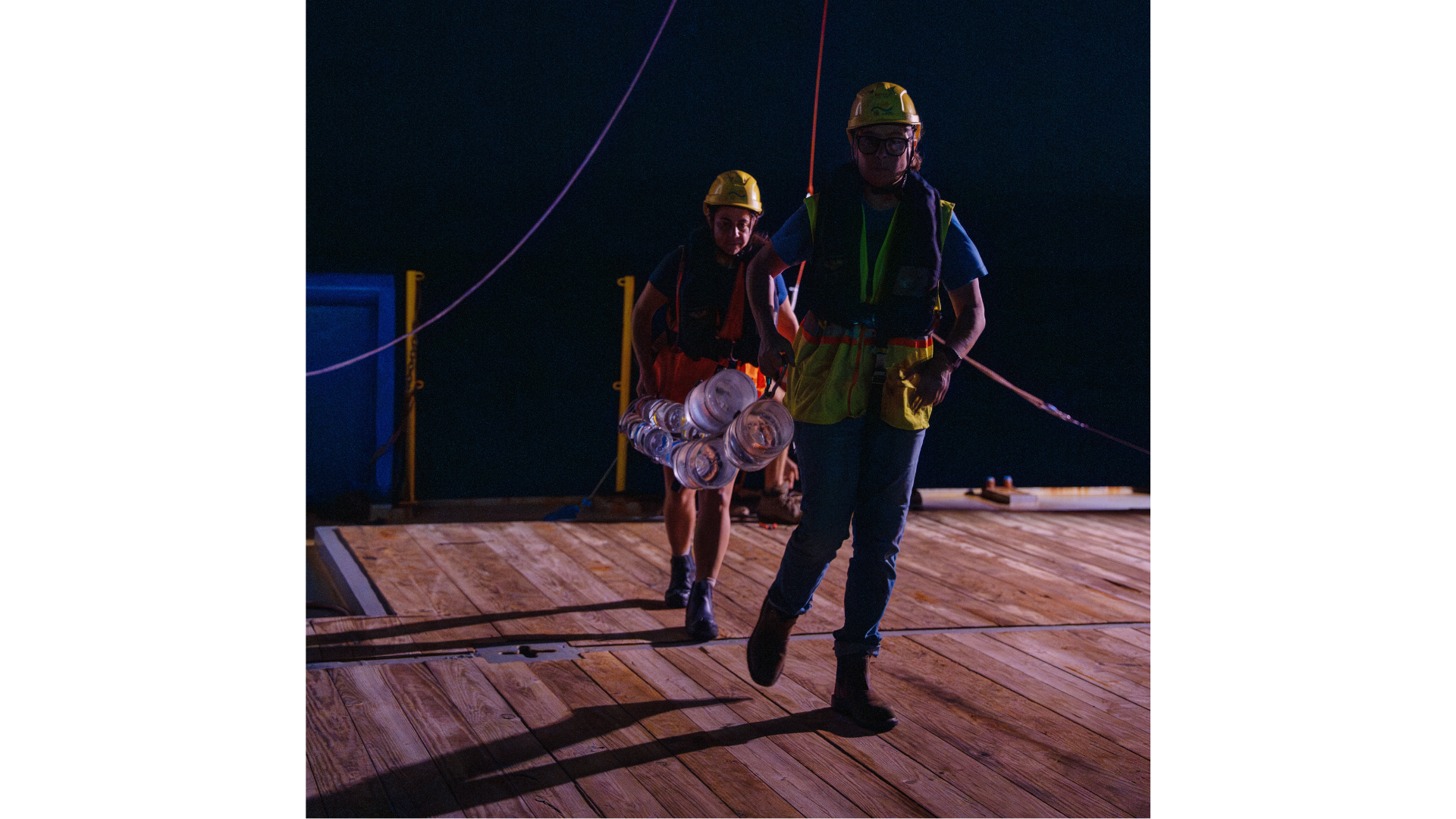
Image Credit: Schmidt Ocean Institute.
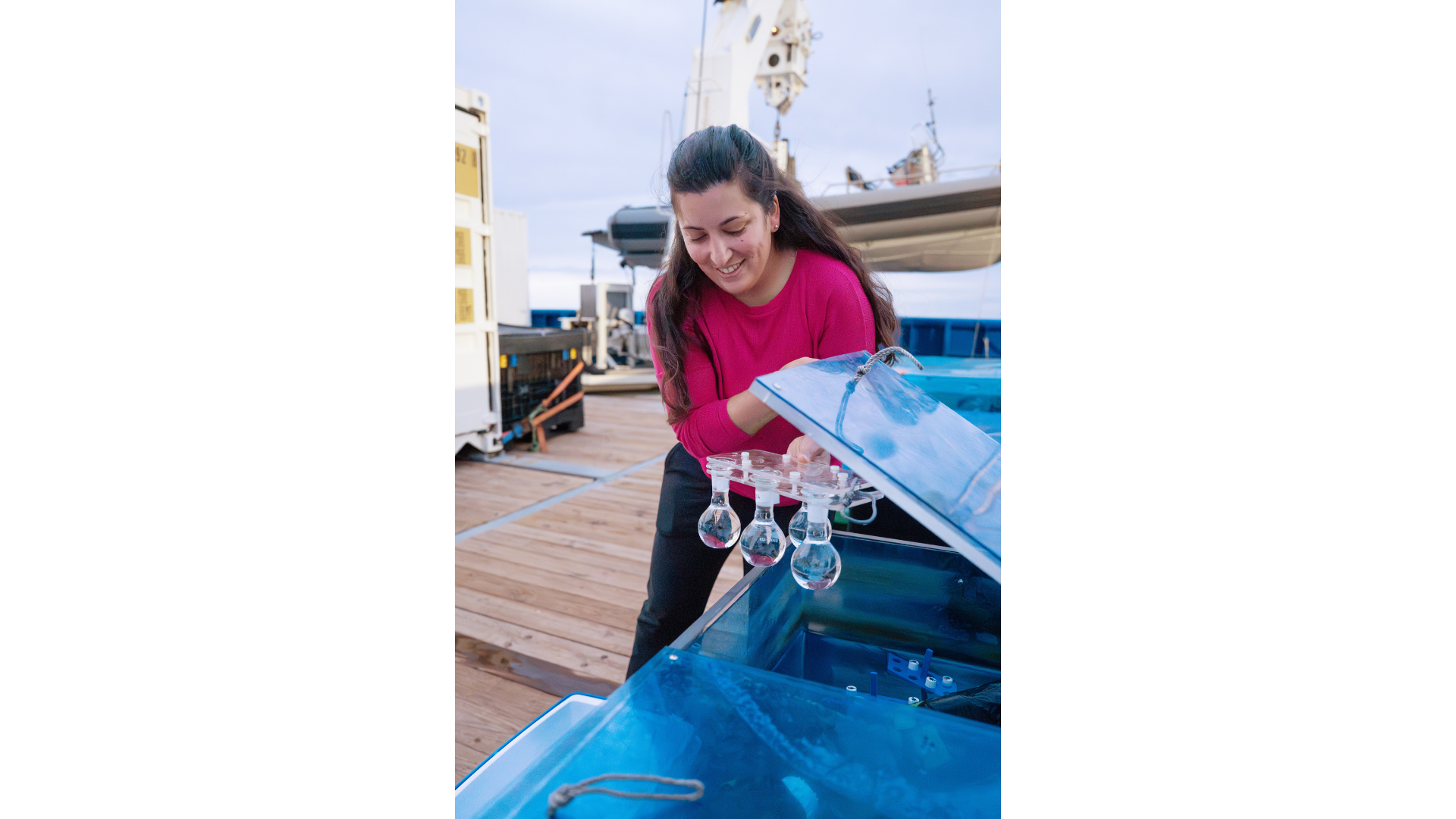
Image Credit: Schmidt Ocean Institute.