News from the Cruise: S.Atlantic Cruise 1 Returns to Port
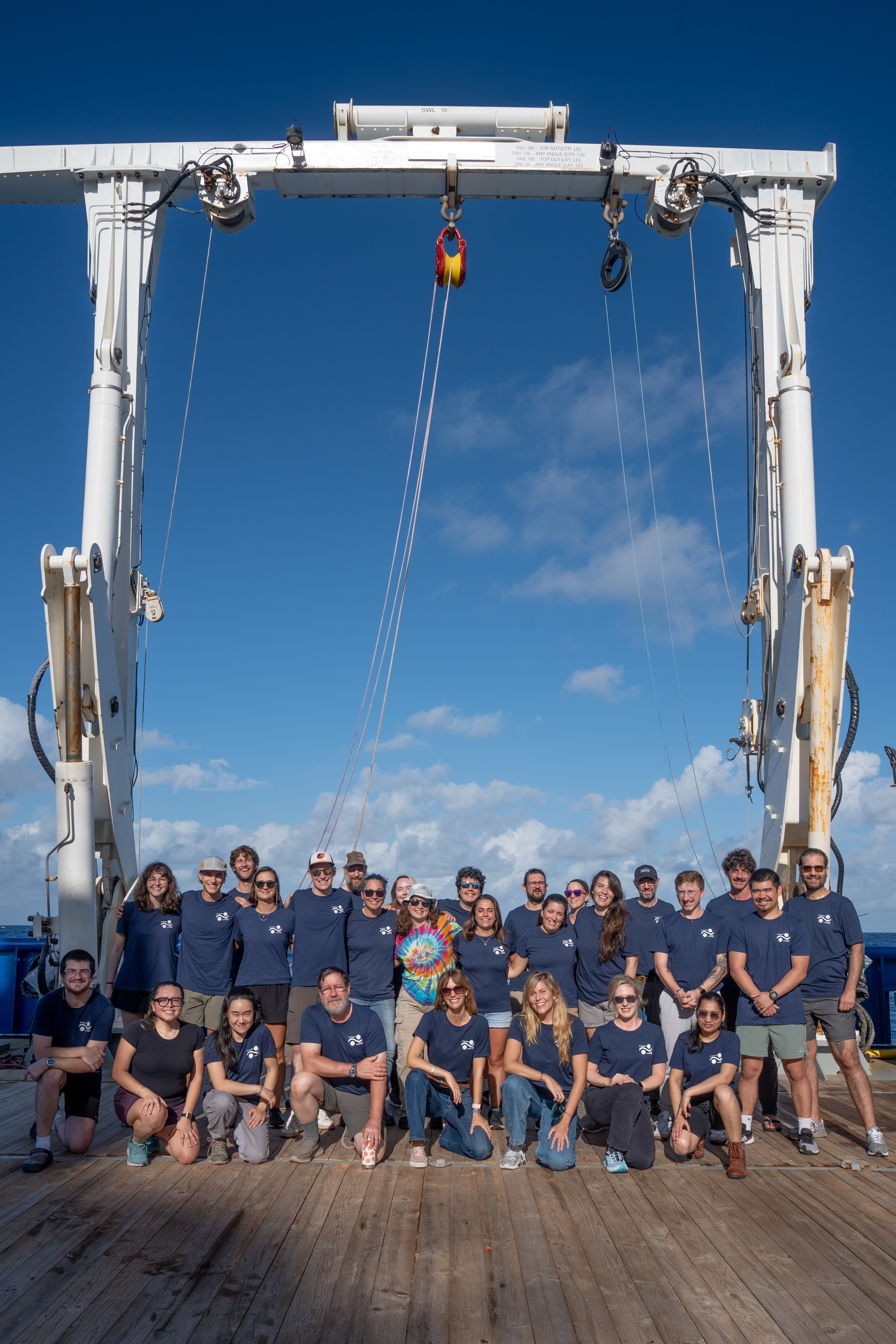
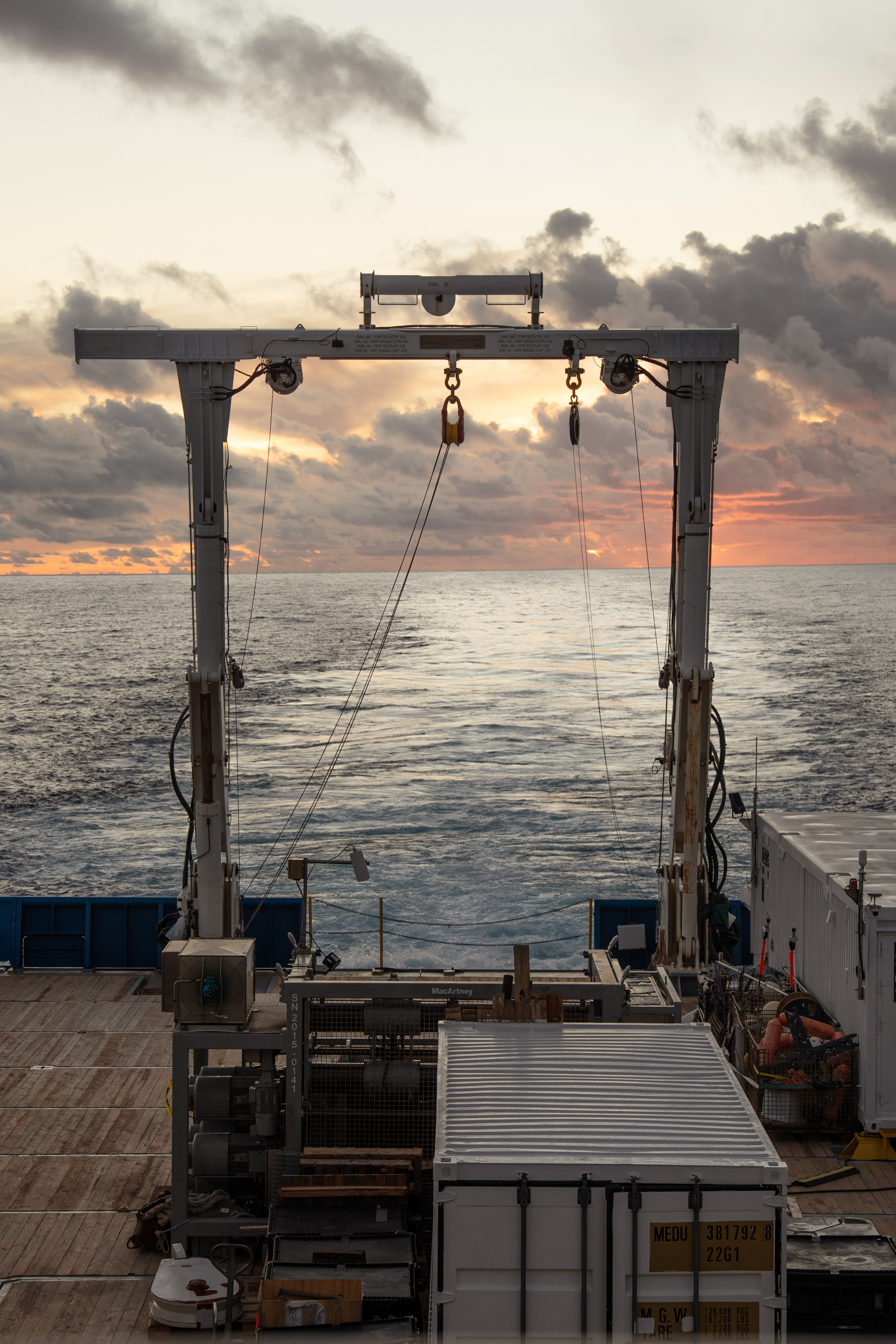
The SUBSEA expedition has come to an end as the R/V Falkor (too) arrives in Salvador, Brazil following 35 days of continuous science operations across the subtropical South Atlantic. Over the course of the expedition, the team completed an ambitious sampling campaign examining connections between upper ocean productivity, nutrient cycling, and carbon export into the ocean’s twilight zone.
Check out this video from Schmidt Ocean Institute highlighting science operations and life aboard the SUBSEA expedition.
Video update from the SUBSEA expedition. Video Credit: Schmidt Ocean Institute.
The team successfully completed all planned operations at Station 10, the final long-duration station occupation of the cruise. Station 10 was selected because it represented an end member of the low-chlorophyll subtropical South Atlantic, a region where satellite observations indicate some of the lowest near-surface chlorophyll concentrations in the world. Upon arrival, underway CTD observations identified a station location where the chlorophyll maximum occurred near 150 meters depth, substantially deeper than at previous stations occupied during the expedition.
This unusually deep chlorophyll maximum is important for the goals of SUBSEA because it suggests a very deep photic zone and therefore a much longer transit pathway for sinking particles traveling from the surface ocean into the dark waters below. These longer transit times may increase opportunities for decomposition and nutrient recycling before particles exit the upper ocean.
As the cruise concluded, the captain and crew hosted an Easter Sunday barbecue aboard the R/V Falkor (too), providing the science team with an opportunity to celebrate the completion of the expedition together. Throughout the cruise, the support provided by the captain, crew, and Schmidt Ocean Institute marine technicians made possible the intensive round-the-clock science operations conducted across the South Atlantic.
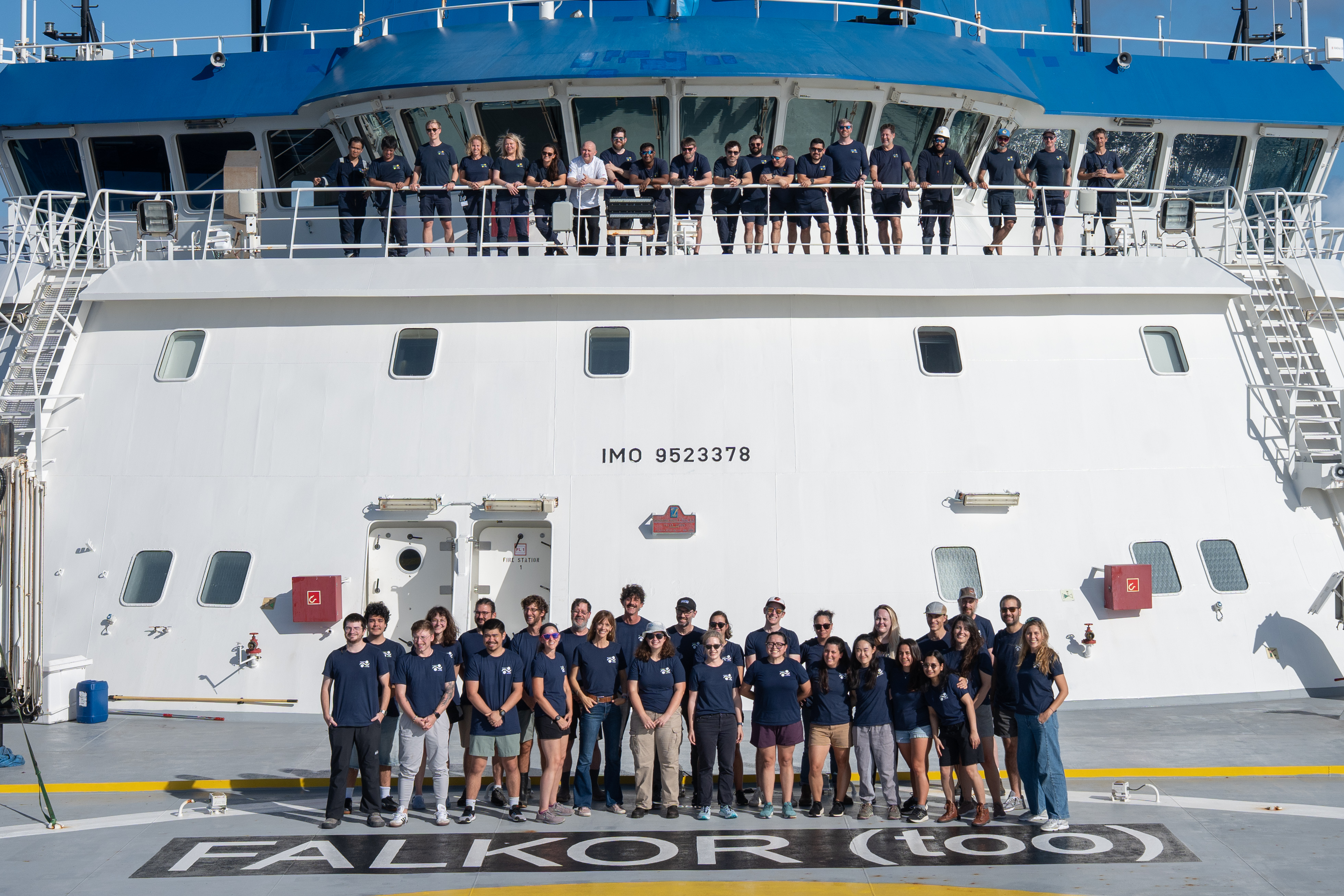
As the expedition comes to an end in Salvador, the SUBSEA team reflects not only on the scientific accomplishments of the cruise, but also on the remarkable collaboration that developed over more than a month at sea. Researchers, crew members, and technicians worked together continuously under demanding conditions, building both an extraordinary scientific dataset and lasting connections through shared experiences in one of the most remote regions of the Atlantic Ocean.
The SUBSEA team extends tremendous gratitude to everyone aboard the R/V Falkor (too) whose dedication, expertise, and enthusiasm made the expedition possible.